

Selling an inherited house as-is means transferring the property in its current condition, without repairs or renovations, giving heirs a direct path to cash from estate assets. The industry term for this transaction is an “as-is sale,” and it carries specific legal disclosure obligations regardless of condition. Heirs choose this route when a property needs costly work, when the estate lacks funds for repairs, or when multiple beneficiaries simply want to close the chapter quickly. Carrying costs like property taxes, insurance, and emergency maintenance drain estate liquidity faster than most heirs expect. Understanding the trade-offs before you list is the difference between a smooth sale and a prolonged, expensive ordeal.
When is selling an inherited house as-is the right choice?
An as-is sale makes the most financial sense when repair costs would exceed the value they add to the sale price. Properties with failing roofs, outdated HVAC systems, foundation cracks, or knob-and-tube wiring fall into this category. These are not cosmetic problems. They are deal-breakers for lenders, which means your buyer pool shrinks to cash buyers only.
Carrying costs like property taxes, homeowner’s insurance, and unexpected repairs quietly erode the estate’s value every month you hold the property. Real estate consultant Kent Mueller notes that the financial burden of holding an inherited property often justifies accepting a lower as-is price rather than absorbing ongoing costs while managing renovations from a distance. Out-of-state heirs face this reality especially hard. Coordinating contractors, permits, and inspections across state lines adds time, stress, and cost that can easily outpace any price gain from repairs.
The clearest signal to sell as-is is when the estate has limited cash reserves and the property needs more than cosmetic work. If you cannot fund repairs without borrowing against the estate, the math rarely works in favor of renovating first.
- The property needs major system replacements (roof, HVAC, plumbing, electrical)
- The estate cannot fund repairs upfront without taking on debt
- Multiple heirs want a fast resolution with minimal conflict
- You live out of state and cannot manage a renovation project
- The local market favors cash buyers and investor activity
Pro Tip: Before deciding, get one contractor estimate for the most critical repairs and compare it to the likely price difference between an as-is offer and a repaired sale. That single number often makes the decision obvious.
How to prepare and price your inherited home for an as-is sale
Accurate pricing is the single most important factor in a fast as-is sale. Pricing as-is according to the property’s current condition, not its potential renovated value, prevents the listing from stagnating on the market. Real estate consultant Rhett Fruitman stresses that marketing to both retail buyers and investors simultaneously generates competitive interest and faster closings.
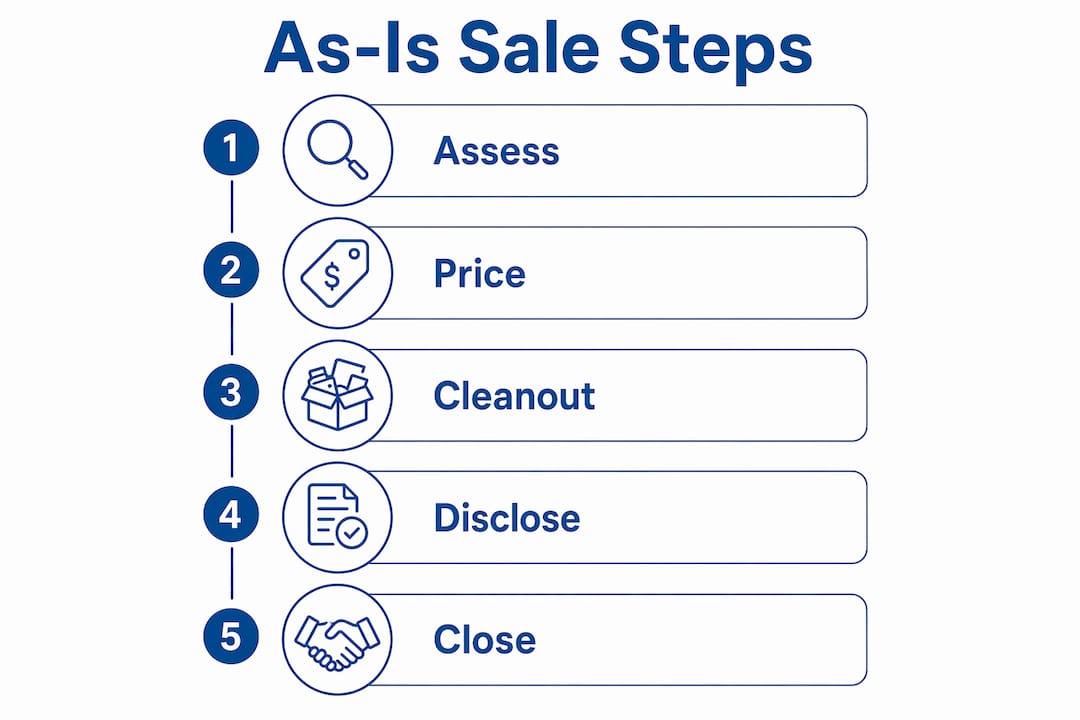
Assess the property honestly
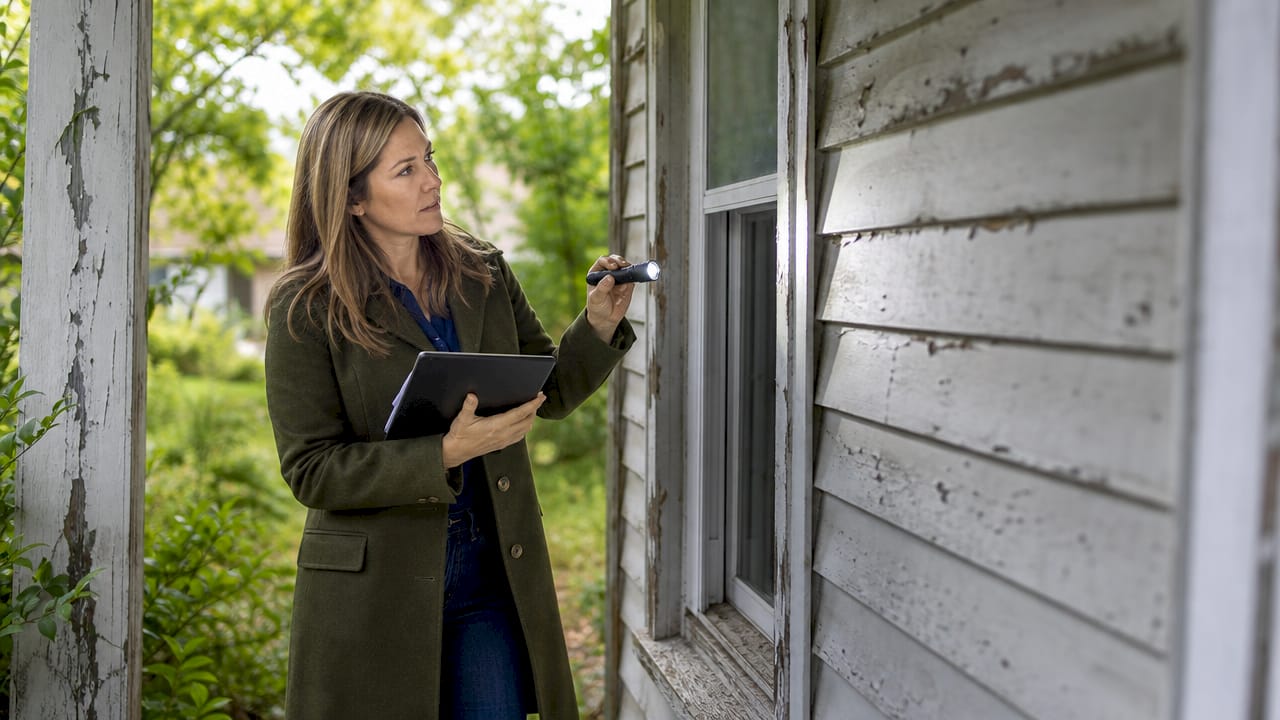
Start with a thorough walkthrough focused on structural integrity, safety systems, and any defect that would fail a lender’s appraisal. Document everything: water damage, mold, roof age, HVAC condition, and foundation issues. This documentation protects you legally and helps buyers make informed offers without surprises at inspection.
Get a formal appraisal based on the date of death. This establishes the stepped-up cost basis for tax purposes and gives you an objective starting point for pricing. Do not rely on online automated valuations for an as-is property. They do not account for condition accurately.
Handle the estate cleanout strategically
Estate cleanout costs range from $3,000 to $15,000 depending on property size and the volume of belongings left behind. Budget for this before you list. A cleared property photographs better, shows better, and signals to buyers that the estate is organized and serious about selling.
Major defects like HVAC failure, roofing damage, or electrical hazards restrict your buyer pool to cash buyers, who will price in their repair costs and profit margin. Small targeted fixes, such as painting, replacing carpet, or basic landscaping, can widen financing options and attract buyers who can qualify for a mortgage. That broader pool typically produces higher offers.
| Pricing approach | Best for | Likely buyer | Speed |
|---|---|---|---|
| As-is, investor price | Major structural issues | Cash investors | Fast (7–30 days) |
| As-is, retail price | Cosmetic issues only | Financed buyers | Moderate (30–60 days) |
| Light repairs, retail price | Minor defects fixable cheaply | Broader buyer pool | Moderate (45–75 days) |
Pro Tip: Disclosure is not optional in an as-is sale. Failure to disclose known defects can trigger post-closing liability or kill the deal entirely. Disclose everything in writing before accepting any offer.
Who buys inherited houses as-is and what offers should you expect?
Cash buyers are the primary market for as-is inherited homes. This group includes real estate investors, house-flipping companies, and direct cash buyer services like Selldaveyourhouse. Each type of buyer prices risk differently, which directly affects the offer you receive.
Offers on as-is inherited homes typically range from 15% to 50% below fair market value, depending on the buyer type, property condition, and local market inventory. Investors at the lower end of that range are pricing in renovation costs, holding costs, and their profit margin. A cash buyer service focused on speed and simplicity tends to offer more than a speculative flipper, because their business model depends on volume and reputation rather than maximum margin per deal.
In markets with surplus inventory, offer discounts can reach 30% or more even on properties in reasonable condition. That is the market reality heirs need to accept before listing. The benefit is speed: a cash sale can close in as little as seven days, compared to 45–90 days for a traditional financed transaction.
To protect yourself from lowball offers and unreliable buyers, vet every cash buyer carefully:
- Verify proof of funds before signing any agreement
- Check online reviews and references from past sellers
- Confirm the buyer has closed similar transactions in your market
- Read the purchase agreement carefully for contingencies and earnest money terms
- Avoid buyers who pressure you to sign quickly without time to review
You can learn more about inherited home offers and what realistic pricing looks like in the Detroit market before committing to any buyer.
Step-by-step process to sell an inherited house as-is
Selling an inherited property involves legal steps that a standard home sale does not. Skipping any of them creates delays, title problems, or disputes among heirs.
-
Confirm legal authority. Verify that you have the right to sell. This means probate court approval, executor status, or trustee authority if the property is held in a trust. You cannot list or close without this documentation in place.
-
Secure the property. Change the locks, maintain utilities, and check that insurance is active. An unsecured vacant property is a liability. Vandalism, theft, or water damage during the listing period falls on the estate.
-
Resolve title issues. Order a title search early. Inherited properties sometimes carry unpaid liens, back taxes, or unclear ownership from prior estate transfers. These must be cleared before closing.
-
List clearly as-is. Your listing must state the as-is condition explicitly. Buyers who understand this upfront are less likely to renegotiate after inspection. Price the property to reflect its current state, not its potential.
-
Prepare for buyer inspections. Even as-is buyers conduct inspections. They use findings to negotiate price reductions rather than request repairs. Having your own inspection report ready reduces surprises and strengthens your negotiating position.
-
Negotiate and accept an offer. Review all contingencies. A clean cash offer with minimal contingencies is worth more than a higher financed offer with appraisal and loan conditions attached.
-
Close and distribute proceeds. The closing process distributes net proceeds to the estate. If multiple heirs share ownership, all parties must sign. Coordinate with the estate attorney to confirm proper distribution according to the will or probate ruling.
Pro Tip: Multi-heir sales are the most common source of delays. Get written agreement from all heirs on the minimum acceptable price before you list. One holdout can stall a closing for months and cost the estate thousands in carrying costs.
Heirs who want to understand the full cash sale process before committing will find it straightforward once the legal groundwork is done.
Speed versus value: what I’ve learned from watching heirs decide
Most heirs I’ve seen come into this process with the same assumption: selling as-is means leaving money on the table. That framing is wrong, and it leads to costly mistakes.
The real question is not “how do I get the most money?” It is “how do I get the best outcome given the estate’s actual situation?” Those are different questions. An heir who spends four months managing a renovation, paying taxes and insurance the whole time, and then sells for $20,000 more than an as-is offer has often broken even at best. The stress, time, and coordination cost are real, even if they don’t show up on a closing statement.
What I’ve found actually works is this: get one honest contractor estimate, get one cash offer, and compare the net numbers after carrying costs. Most heirs are surprised by how close those numbers are. When the gap is small, the speed and simplicity of a cash sale wins every time.
The one scenario where I’d push back on a pure as-is sale is when the property needs only cosmetic work. Fresh paint, clean carpet, and a tidy yard can increase your offer meaningfully and open the door to financed buyers. That is not a renovation. It is a weekend of work that pays for itself many times over.
Pricing correctly from day one matters more than anything else. A property priced too high for its condition sits, accumulates carrying costs, and eventually sells for less than an accurate initial price would have generated. Rhett Fruitman’s advice holds: price to condition, market to everyone, and close fast.
— Bryan
Selldaveyourhouse makes selling your inherited home simple
If you are ready to move forward, Selldaveyourhouse has spent over 16 years helping Detroit-area heirs sell inherited properties without repairs, agent commissions, or hidden fees. The process is straightforward: you share details about the property, receive a fair all-cash offer within 24 hours, and can close in as little as seven days.

There are no repair requirements, no open houses, and no waiting on lender approvals. Selldaveyourhouse handles the paperwork and works around your timeline. For heirs managing estate obligations, that kind of certainty is worth a great deal. See exactly how the cash sale process works or get a cash offer today with no obligation.
Key takeaways
Selling an inherited house as-is is the fastest path to cash for heirs, but it requires accurate pricing, full disclosure, and legal authority before any offer can close.
| Point | Details |
|---|---|
| As-is sale definition | Selling in current condition without repairs, targeting cash buyers who accept the property’s defects. |
| Offer range reality | Cash buyers typically offer 15%–50% below market value; price to condition to avoid stagnation. |
| Carrying costs matter | Taxes, insurance, and maintenance drain estate value monthly, often justifying a faster as-is sale. |
| Disclosure is required | Known defects must be disclosed in writing even in as-is sales to avoid post-closing liability. |
| Legal authority first | Confirm probate, executor, or trust authority before listing to prevent title and closing delays. |
FAQ
What does selling an inherited house as-is mean?
Selling an inherited house as-is means the property transfers in its current condition, with no repairs made by the seller. The buyer accepts all known and unknown defects, though the seller must still disclose any issues they are aware of.
How much below market value will I receive in an as-is sale?
Cash offers on as-is homes typically range from 15% to 50% below fair market value, depending on property condition, buyer type, and local market inventory. Properties with major structural issues receive offers at the lower end of that range.
Do I have to disclose defects if I sell as-is?
Yes. Selling as-is does not eliminate your legal obligation to disclose known defects. Failure to disclose can result in post-closing lawsuits or deal cancellations.
How fast can I close an as-is inherited home sale?
A cash sale to a direct buyer like Selldaveyourhouse can close in as little as seven days once legal authority is confirmed and title is clear. Traditional financed sales take 45–90 days even in favorable conditions.
Can I sell an inherited house as-is if there are multiple heirs?
Yes, but all heirs with ownership interest must agree to the sale and sign the closing documents. Getting written agreement on a minimum acceptable price before listing prevents costly delays during the offer and closing stages.