
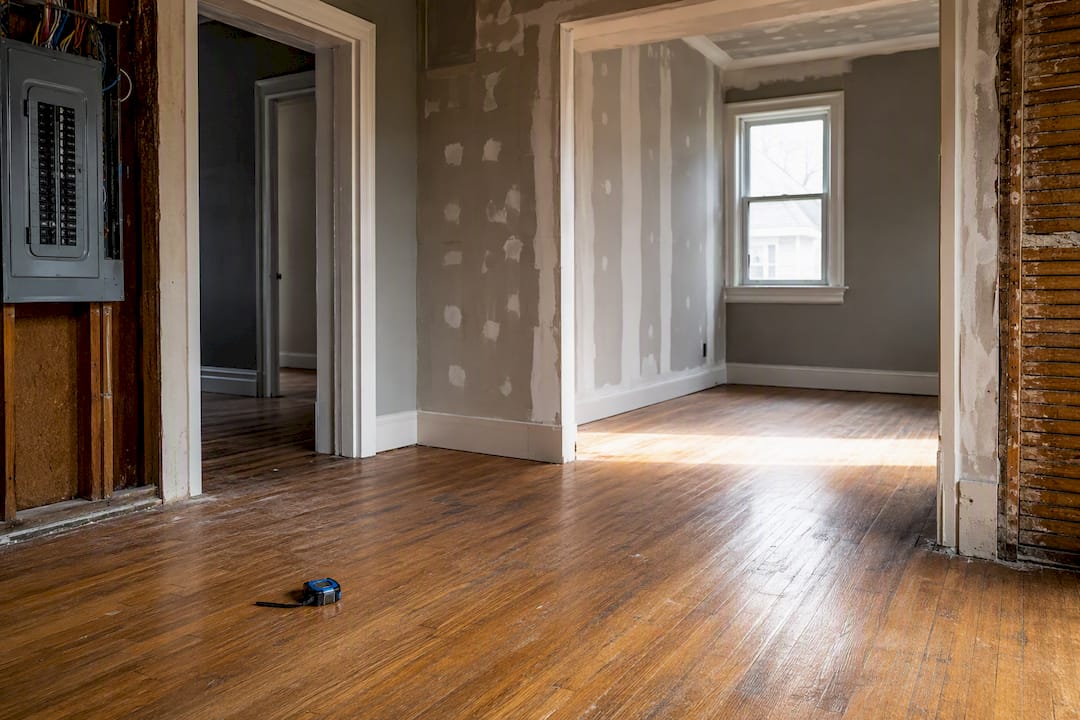
Sell As Is in Metro Detroit: Expect 10–30% Less, Get Cash in a Week
You can sell your house without fixing a single thing, and thousands of homeowners do it every year. Your realistic options are a direct cash buyer, a wholesaler, an iBuyer, or an as-is agent listing, each with different speed and payout tradeoffs. Expect a discount off market value and full disclosure obligations regardless of which path you choose. For sellers who need speed and simplicity, a direct cash sale through a company like Sell Dave Your House is often the most practical route.
TL;DR:
- Cash buyers usually close within one to two weeks but offer 10 to 30 percent less than market value, depending on repair needs.
- Wholesalers can delay closing due to loose contracts or fall through if end buyers are unavailable, with low earnest deposits indicating a wholesaler deal.
- iBuyers provide quick offers but often charge fees and may only operate in specific areas or upon condition; final offers can be significantly lower after inspections.
- Listing as-is with an agent may bring a higher price but involves longer timelines and potential repair requests from financed buyers.
- A direct cash sale remains the fastest, simplest option, especially when speed or repair costs outweigh seeking a higher sale price or traditional listing.
Table of Contents
- Quick Options If You Can’t Afford Repairs and Need to Sell
- How Each Sale Type Actually Works, Start to Finish
- What Discount Should You Expect on an As-Is Sale?
- Your Legal Disclosure and Risk Checklist
- Cheap Fixes Worth Doing Before You Sell
- Should You Finance Repairs Instead of Selling As-Is?
- Our Take: When As-Is Really Is the Smarter Move
- Get a Fair Cash Offer From Sell Dave Your House
- Resources for Disclosures, Financing, and Housing Counseling
- Sources
- FAQ
Quick Options If You Can’t Afford Repairs and Need to Sell
When repair costs feel out of reach, you have four realistic paths forward, and each one trades speed against your final payout differently.
- Cash buyers and investors close fast, often in one to two weeks, and skip inspections and financing contingencies entirely. You’ll net less than full market value in exchange for that certainty.
- Wholesalers lock your house under contract, then sell that contract to an end investor for a fee. Deals move quickly, but watch for thin earnest money deposits and vague assignment language before you sign.
- iBuyers generate instant algorithm-based offers, which sounds convenient until you hit the fine print. Many charge service fees and only operate in specific zip codes with homes in decent condition.
- Listing as-is with an agent or FSBO reaches the widest buyer pool and can bring a higher price. It’s also slower, and financed buyers frequently ask for repairs anyway once their lender’s appraiser walks through.
If you’re facing foreclosure, settling an inherited property, or need to relocate on a tight deadline, the cash or wholesale routes usually make more sense than waiting out a traditional listing.
How Each Sale Type Actually Works, Start to Finish
Each path follows its own rhythm, and knowing the mechanics ahead of time keeps you from getting blindsided mid-deal.
- Cash sale: You request an offer, the buyer often makes one within 24 to 48 hours, and either waives inspection or uses it only to confirm the home’s condition rather than to renegotiate. Closing typically happens quickly, often within a few weeks, and you’re rarely on the hook for repairs, cleaning, or commissions.
- Wholesaler deal: You sign a purchase contract, but the wholesaler doesn’t buy your house. They assign that contract to an end investor for a fee, and if no buyer materializes, your sale can fall through weeks later. ProPublica’s reporting found some wholesalers use small earnest money deposits and loose assignment clauses that leave sellers with little recourse.
- iBuyer process: An automated valuation model generates a preliminary offer, then a physical or virtual inspection adjusts it, often downward, before a final number and a fee schedule that can shave several percentage points off your payout.
- As-is agent listing: Buyers still schedule inspections and appraisals even when you mark the listing “as-is.” If they’re financing the purchase, their lender may require specific repairs before approving the loan, which reopens negotiations you thought were closed.
Pro Tip: Before signing anything, check for an assignment clause and confirm the earnest money deposit. A very low earnest money deposit on a high-value home is a red flag that you’re dealing with a wholesaler, not a direct buyer.
Watch for vague closing timelines and any contract that lets the buyer walk away without real financial consequence. Those terms almost always favor the buyer, not you.
What Discount Should You Expect on an As-Is Sale?
Selling as-is typically means accepting 10 to 30 percent below comparable market value, and where you land in that range depends on repair scope and how hot your local market is. A house needing a new roof and updated electrical will sit closer to the 30 percent end than one with mostly cosmetic wear.
Investors calculate offers by starting with the After Repair Value (ARV), the price your home would fetch fully renovated, then subtracting projected repair costs, holding costs, and their target profit margin. That math is why a home worth $200,000 renovated might draw a $130,000 to $150,000 cash offer if it needs significant work.
Financed buyers add another wrinkle. Even in a traditional as-is listing, a lender may still require specific repairs before funding the loan, particularly for safety or structural issues flagged during appraisal. A quick comparative market analysis or informal appraisal before you accept any offer helps you set a realistic reserve price and spot a lowball offer when you see one.
Your Legal Disclosure and Risk Checklist
Marking a sale “as-is” changes what you’re obligated to fix. It doesn’t change what you’re obligated to disclose. State disclosure laws still require you to tell buyers about known material defects, and concealing them can create liability well after closing.
Buyers who waive inspection give up the right to renegotiate over issues that surface later, but they don’t give up the right to sue over something you knew about and hid. Before you sign anything, review these contract details carefully:
- Assignment rights that let the buyer transfer your contract to someone else
- Earnest money amount and whether it’s truly at risk if the buyer backs out
- Length of the inspection period and what happens if it’s waived
- Language describing your seller representations and disclosures
One practical rule of thumb: put every known issue in writing and keep copies of your disclosures, and never rely on a verbal conversation to cover a defect. If you’re unsure what your state requires, a HUD-approved housing counselor or legal aid office can review your situation for little or no cost.
Cheap Fixes Worth Doing Before You Sell
You don’t need a renovation budget to make your house more appealing. A thorough cleaning, decluttering, and a few small cosmetic touch-ups (patched drywall, fresh caulk, a coat of paint on a scuffed wall) go further than most sellers expect.
- Mow the lawn, trim overgrown bushes, and pressure-wash the walkway for cheap curb appeal
- Gather permits, receipts, utility bills, and any past inspection reports into one folder
- Fix immediate safety hazards, like a loose railing or exposed wiring, but skip anything structural
- Leave the roof, foundation, and HVAC system alone unless you have a specific reason to believe they’re deal breakers
Pro Tip: Organized paperwork does more for buyer confidence than a fresh coat of paint. It signals you’ve kept up with the house even if the finishes look tired.
Should You Finance Repairs Instead of Selling As-Is?
Sometimes a small investment pays for itself. If a $3,000 repair is projected to add $8,000 to your sale price, it’s usually worth doing before you list.
For sellers who want to explore that math, financing options include a home equity line of credit, a personal loan, an FHA 203(k) rehabilitation loan, or a USDA Single-Family Housing Repair Loan or grant if you’re in an eligible rural area. But if you’re racing a foreclosure deadline, dealing with an inherited property you can’t maintain, or sitting on thin equity, selling as-is usually beats waiting on financing to close.
Our Take: When As-Is Really Is the Smarter Move
A company with long experience buying homes as-is across Metro Detroit reports that sellers often wait too long hoping repair costs will somehow shrink. They rarely do. When speed and certainty matter more than squeezing out every last dollar, a direct cash sale is often the more practical choice, and it’s the option we recommend when a seller’s timeline or budget won’t allow for anything else.
— Real Estate Team
Get a Fair Cash Offer From Sell Dave Your House
Sell Dave Your House gives Metro Detroit homeowners a direct alternative to the repair-and-list grind: no repairs, no cleaning, no realtor commissions, and no waiting weeks to find out if a financed buyer’s inspection derails the deal. They make cash offers quickly and may close the sale in about a week, sometimes covering standard closing costs.

Whether you’re dealing with an inherited property, a home in serious disrepair, or a foreclosure timeline that won’t wait, the process starts the same way. Request a fair cash offer and see the number before you commit to anything, or see how the process works from first contact to closing day. If you’re not sure whether we cover your area, check where we buy houses before you rule it out.
Resources for Disclosures, Financing, and Housing Counseling
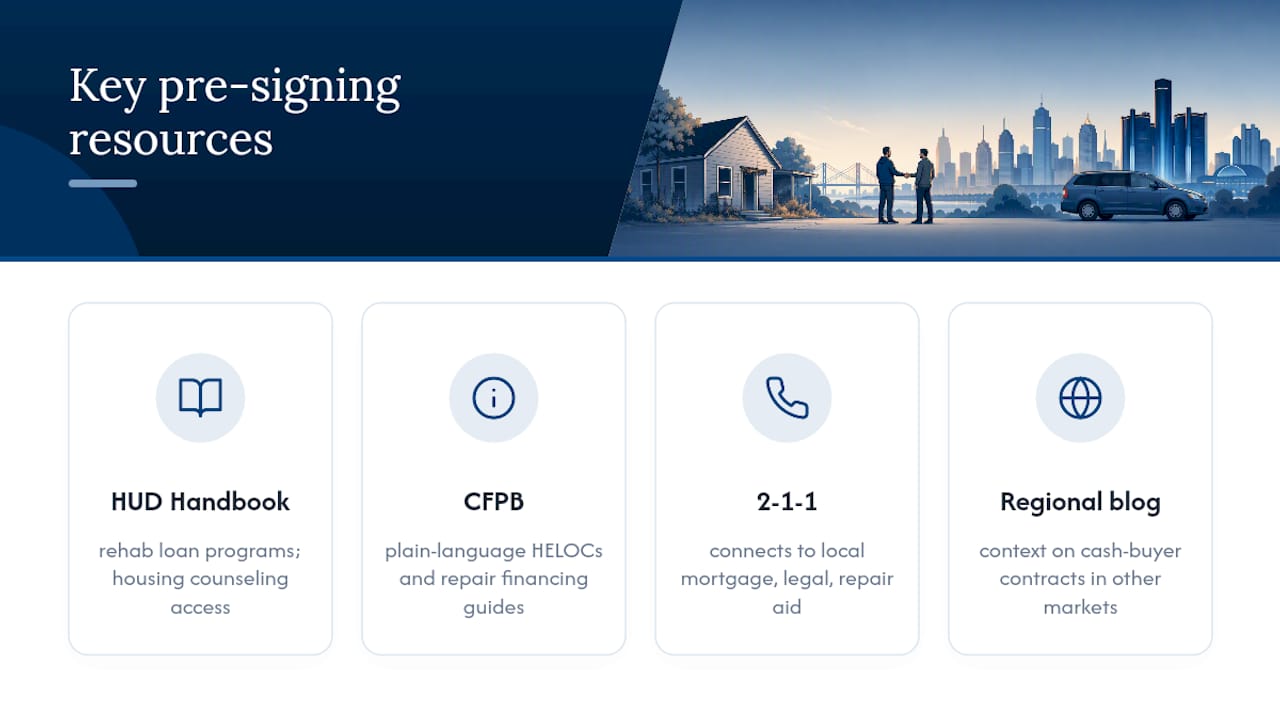
If your situation is complicated, several free and low-cost resources can help before you sign anything. HUD’s Single-Family Housing Policy Handbook covers rehabilitation loan programs and housing counseling access. The CFPB explains HELOCs and other repair financing tools in plain language, and 211 connects homeowners to local mortgage, legal aid, and repair assistance. For a broader look at how cash-buyer contracts work in other markets, this regional cash-buyer blog offers useful context. When your case is complicated, a HUD housing counselor or legal aid attorney is worth the call.
Sources
- What Do “We Buy Houses For Cash” Companies Do? — CNBC
- Want to sell your home for cash? Read this first — ProPublica
- HUD Single Family Housing Policy Handbook
FAQ
How can I pay for home repairs if I have no money?
Options include a HELOC, a personal loan, an FHA 203(k) loan, USDA repair grants for eligible rural homeowners, or state and local repair assistance programs. If none of those fit your timeline, selling as-is to a direct cash buyer avoids the repair bill entirely.
How do I sell a house that needs a lot of repairs?
You can list it as-is with an agent, sell it to a wholesaler, request an iBuyer offer, or work directly with a cash buyer like Sell Dave Your House. Cash sales typically close fastest and skip inspection and repair negotiations altogether.
What is the hardest month to sell a house?
Late fall and winter, particularly December, tend to see the slowest buyer activity and fewer showings nationally. That seasonal slowdown is one more reason distressed sellers often lean toward a direct cash sale instead of waiting for spring market activity.
What is the 30% rule for renovations?
There’s no single official “30% rule,” but it’s commonly used as a rough guideline that renovation spending shouldn’t exceed about 30% of a home’s post-repair value to remain a sound investment. As-is discounts of 10 to 30 percent below market value roughly mirror that same range, which is why many sellers skip renovations and accept the associated discount instead.