

Landlords: 3 Ways to Sell a House With Tenants, Plus Fast Cash
Yes, you can sell a house with tenants living in it, and it’s more common than most landlords realize. You have three realistic paths: sell to an investor while the tenant stays in place, wait until the lease ends and sell vacant, or negotiate a documented cash-for-keys buyout. Your lease terms and your state’s notice rules will point you toward the right one.
TL;DR:
- Selling with tenants in place can still be profitable, but it often limits options to investor buyers and may require detailed documentation to verify income.
- Waiting until lease expiration to sell vacant can yield a higher price but involves additional costs and a longer timeline, especially if lease end dates or market conditions do not favor delays.
- A cash-for-keys agreement provides rapid vacant possession if the tenant agrees voluntarily, but it must be documented and signed before any payment occurs to avoid disputes.
- Local landlord-tenant laws, notice periods, and potential restrictions like just-cause eviction rules can significantly influence how quickly and easily the property can be delivered vacant.
- A complete, well-organized transfer package with signed lease, rent ledger, deposit accounting, and condition reports greatly strengthens bargaining power and reduces delays during sale negotiations.
Table of Contents
- Selling a House With Tenants: What the Lease Allows
- Should You Sell Occupied or Wait for Vacancy?
- Your Three Options for Selling With Tenants in Place
- What Documents Buyers Expect When Tenants Stay
- How to Market and Show an Occupied Rental
- Negotiating With Buyers When Tenants Remain
- How to Talk to Your Tenant About Selling
- Your Step-by-Step Checklist for Selling With a Tenant
- When a Direct Cash Sale Makes the Most Sense
- Get a Cash Offer for Your Tenant-Occupied House
- Sources
- FAQ
Selling a House With Tenants: What the Lease Allows
Before you list anything, you need to know one fact cold: a lease generally “runs with the land.” That means when the property changes hands, the new owner steps into your shoes as landlord and has to honor whatever terms are already in place, including rent amount and remaining lease duration. Selling the house doesn’t cancel the lease, and it doesn’t give you or a buyer an automatic right to ask a tenant to leave.
What that means in practice depends heavily on the type of tenancy you have.
- Fixed-term lease: If your tenant signed a 12-month lease with eight months left, that lease survives the sale unless it contains a specific termination-on-sale clause. Most standard leases don’t include one.
- Month-to-month tenancy: These are more flexible for sellers. You can typically end the tenancy with proper written notice, though the timeline varies by state.
- Notice periods: Standard notice for month-to-month tenants runs 30 to 60 days depending on state law, and some jurisdictions require a full 90 days.
- Security deposit: The deposit transfers to the buyer at closing and needs a signed, written accounting so there’s no dispute later about who owes what to the tenant.
Here’s where a lot of sellers get tripped up: they assume a month-to-month arrangement means they can clear the property whenever they want. In cities and states with just-cause eviction rules or rent control, that’s often not true. Some jurisdictions restrict nonrenewal and require a qualifying reason beyond “the owner wants to sell.” A few markets even require relocation assistance payments when a sale triggers a tenant’s move-out. Local limits like these can restrict your ability to secure vacant possession even on a flexible tenancy, so check your city and county rules before you assume you have a clean path to an empty house.
Pro Tip: Pull your local landlord-tenant ordinance before you set a listing date. A 60-day notice assumption that turns out to require 90 days can blow up your closing timeline fast.
Should You Sell Occupied or Wait for Vacancy?
Selling with a tenant in place and selling vacant each solve different problems, and the right choice depends on what you value more: speed or price.
- Income continuity works in your favor while you sell occupied. Rent keeps coming in during the marketing period, which offsets your carrying costs and gives buyers a income stream to underwrite from day one.
- Your buyer pool shrinks when tenants stay. Owner-occupants almost always want a vacant house, so an occupied sale narrows you down to investors and other landlords, a smaller but often faster-moving group.
- Tenant quality and lease length swing buyer interest hard. A reliable tenant on a fresh 12-month lease at market rent is a selling point. A tenant who’s chronically late or on a lease that expires in 45 days is a complication buyers will price in.
- Investor discounts are real but not universal. Buyers often factor in a 10 to 25 percent discount for occupied properties versus a comparable vacant retail sale, depending on lease terms and local demand.
- Waiting for vacancy usually nets a higher price, if you can afford to wait. If your lease ends in two months and the retail market is hot, riding it out and selling vacant may add more to your bottom line than the discount you’d eat by selling occupied today.
Your Three Options for Selling With Tenants in Place
Once you understand the legal groundwork, the decision comes down to matching one of three paths to your actual situation; for an in-depth practical approach, see our guide on How To Sell A House With Tenants: A Landlord’s Guide.
Sell occupied to an investor. This works best when your lease has significant time left, or when you need to close fast and can’t afford to wait out a tenancy. Investor buyers typically expect a documented, clean transfer package and they’ll price the deal around the lease terms and tenant payment history, not the paint color.
Wait until the lease expires, then sell vacant. This is the path if your timeline has flexibility and you want to maximize price by opening the sale to owner-occupant buyers. Budget for the carrying costs of those extra weeks or months: mortgage, insurance, taxes, and any vacancy period between move-out and closing.
- Best for: sellers who don’t have a mortgage deadline or urgent cash need
- Watch for: turnover costs, potential vacancy gap, market timing risk
Negotiate a cash-for-keys buyout. This is a documented agreement where you pay the tenant to vacate voluntarily by an agreed date. It’s often faster and cheaper than any legal process, but it has to be handled carefully.
- Best for: sellers who want vacant possession but don’t want to wait for a lease to run out
- Requirements: a written agreement stating payment amount, move-out date, unit condition expectations, and a mutual release
Pro Tip: A cash-for-keys agreement only protects you if it’s in writing and signed before any money changes hands. A handshake deal leaves you exposed if the tenant disputes the terms later.
Deciding among the three usually comes down to four questions: How much time do you actually have? Do you need cash now or can you wait for a better price? Is your tenant cooperative? And what does your local law allow you to do?
What Documents Buyers Expect When Tenants Stay
Investor buyers move fast when the paperwork is clean, and they slow down or walk away when it isn’t. Missing tenant documentation is the single most common reason a buyer requests a large closing credit or backs out entirely. Build this file before you list, not after an offer comes in.
- Signed lease and any addenda showing rent, term, and special conditions
- Current rent ledger documenting payment history, including any late payments or balances owed
- Security deposit accounting, signed and dated, showing the amount held and any deductions
- Move-in condition report and photos, ideally with timestamps tied to the report
- Repair and maintenance receipts for major work done during the tenancy
- Tenant contact information and communication records, especially any written notices already sent
Each of these solves a specific worry for the buyer’s title or escrow company. A rent ledger and signed deposit accounting are, according to industry guidance, often the most persuasive evidence an investor buyer looks at, because they show predictable cash flow rather than promises about what the property could earn.
| Missing document | Typical buyer reaction |
|---|---|
| No signed lease on file | Buyer questions lease validity, may lower offer |
| No rent ledger | Buyer can’t verify income, requests seller credit |
| No deposit accounting | Buyer worries about post-closing deposit disputes |
| No condition report or photos | Buyer assumes worst case, negotiates repair credit |
Sellers who show up with a complete file tend to close faster and negotiate from a stronger position. Sellers who show up without one usually end up trading price for speed anyway, just later in the process and with less leverage.
How to Market and Show an Occupied Rental
Marketing a tenant-occupied property means being upfront from the first listing photo, not springing the tenancy on buyers during a showing.
- State the tenancy clearly in the listing: “tenant-occupied, lease expires [date], current rent $X.” Transparency like this filters out buyers looking for vacant possession before they waste a showing slot.
- Give proper notice before every showing. Most states require 24 to 48 hours’ written notice, and your tenant retains the right to quiet enjoyment of the home even while it’s for sale.
- Lean on virtual tours and a strong photo set from your move-in condition report to cut down on the number of in-person showings you need to request.
- Offer a small incentive for cooperation on short notice, such as a rent credit for a particularly disruptive week of showings.
- Prepare a direct answer for buyers who demand vacant possession: explain the lease timeline plainly and, where it fits your situation, mention that a cash-for-keys negotiation or waiting for lease expiration are both on the table.
Targeting the right buyer matters as much as the notice you give. Owner-occupant buyers and investors have opposite priorities here, and a listing written for one will frustrate the other. Say so upfront and you save everyone a wasted trip.
Negotiating With Buyers When Tenants Remain
Investors evaluate a tenant-occupied property the way a lender evaluates a borrower: they want proof of steady income and low risk, not curb appeal.
- Expect requests for income documentation. Buyers will ask for the rent ledger, lease length, and tenant payment history before they finalize an offer.
- A clean file limits how much a buyer can push a discount. The fewer questions your paperwork leaves open, the less room a buyer has to justify a lower number.
- Escrow needs to handle the deposit transfer formally. The security deposit should move to the buyer at closing with a signed accounting, not as a verbal handoff.
- Ask for a tenant estoppel letter where it makes sense. This is a signed statement from the tenant confirming lease terms, rent amount, and deposit balance, and it protects both you and the buyer from later disputes.
- Bring in counsel for anything unusual. If your local jurisdiction has just-cause rules, rent control, or your tenant is disputing terms, get title or an attorney to review the language before you sign.
How to Talk to Your Tenant About Selling
How you communicate the sale matters almost as much as the legal notice itself. A tenant who feels blindsided will slow-walk showings, dispute the deposit accounting, or worse. A tenant who’s kept in the loop usually cooperates.
- Lead with transparency. Tell the tenant you’re selling as soon as you’re actively listing, not after a buyer is already asking for showings.
- Put every notice in writing. A short letter covering the sale, the timeline, and what to expect from showings protects both of you and creates a paper trail.
- Respect quiet enjoyment. Give the full notice period your state requires before any showing, and never enter without it.
- If you’re pursuing cash-for-keys, put the checklist in writing: payout amount, move-out date, unit condition expectations, and a mutual release signed by both parties before any payment changes hands.
- Never pressure or threaten a tenant into leaving early. Document every conversation, and if the buyout gets complicated, involve local counsel rather than escalating on your own.
Your Step-by-Step Checklist for Selling With a Tenant
- Days 0 to 7: Pull the lease, run a rent ledger, and check your city and state notice requirements.
- Days 7 to 30: Send written notice of the sale to your tenant and start assembling the transfer package.
- Days 30 to 90: Decide your buyer target (investor versus retail), list accordingly, and begin scheduling compliant showings.
- Closing phase: Finalize deposit transfer documentation, send final tenant communications, and confirm key handoff and release language.
- Timeline reality check: An investor sale on an occupied property can close in a matter of weeks. A retail vacant sale, waiting on lease expiration, often takes several months once you factor in the remaining lease term plus a standard closing period.
When a Direct Cash Sale Makes the Most Sense
After walking landlords through this decision for over 16 years, Sell Dave Your House has seen the same pattern repeat: sellers facing foreclosure risk, an urgent relocation, or mounting carrying costs on a property they can’t easily manage often benefit most from a direct cash sale. Sell Dave Your House can extend a fair cash offer within 24 hours and close in as little as seven days, tenant and all. Speed and certainty come with a tradeoff, typically a lower price than a patient retail sale, but for a seller drowning in holding costs, that tradeoff often makes sense.
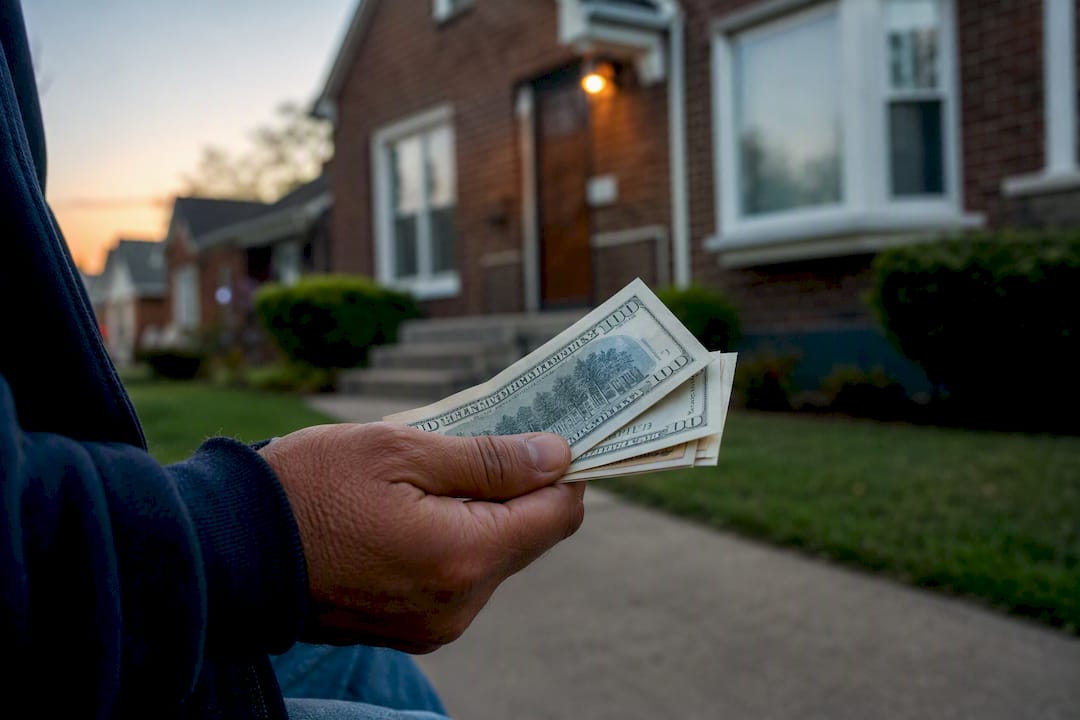
Get a Cash Offer for Your Tenant-Occupied House
If you’re weighing an investor sale, a wait-for-vacancy plan, or a cash-for-keys negotiation, there’s a fourth option worth putting on the table: skip the listing process entirely. Sell Dave Your House buys tenant-occupied properties as-is, no repairs, no cleaning, no realtor commissions eating into your proceeds, and no need to coordinate showings around anyone’s schedule.

This fits sellers who need certainty more than they need top dollar: landlords facing foreclosure, dealing with a difficult tenant situation, managing an inherited rental from out of state, or simply tired of the carrying costs that pile up while a retail sale drags on. You get a fair, all-cash offer within 24 hours and can close in as little as seven days, with standard closing costs covered. If your property is in Metro Detroit, get a fair cash offer fast and see the number before you commit to any other path.
This article is general information, not a substitute for advice from a qualified lawyer. Consult a qualified legal professional about your own circumstances before acting on anything here.
Sources
- Selling a Rental Property With Tenants (Rentec Direct)
- Selling a Rental Property With Tenants (DiscoveryMark)
- What to Do If Your Landlord Sells the Property: Tenants’ Rights Explained (Lipton Legal)
- Types of rental agreements and tenant rights (Tenants Union)
FAQ
Is it harder to sell a house with tenants?
It’s not necessarily harder, but it narrows your buyer pool to mostly investors and requires more paperwork upfront. Sellers with a complete transfer package and a cooperative tenant often close just as fast as a vacant sale, sometimes faster.
Can you sell a house with people living in it?
Yes. The lease survives the sale, and the buyer takes over as the new landlord for the remaining lease term, inheriting the existing tenant rights and rent terms.
What happens to a lease when a property is sold?
The lease transfers with the property. The buyer becomes the new landlord and must honor the existing rent amount, term, and conditions, and the security deposit must be documented and transferred at closing.
How do you write a letter to a tenant about selling the property?
Keep it factual and direct: state that you’re selling, give the expected timeline, explain how showings will be scheduled with proper notice, and confirm that their lease terms remain protected under the new owner unless you’re separately negotiating a buyout.
What if my tenant refuses to cooperate with showings?
Document every notice you send and every refusal in writing, then consult your state’s landlord-tenant guidance for enforcement options. In many cases, offering a small cooperation incentive resolves the friction faster than pursuing a legal remedy.