
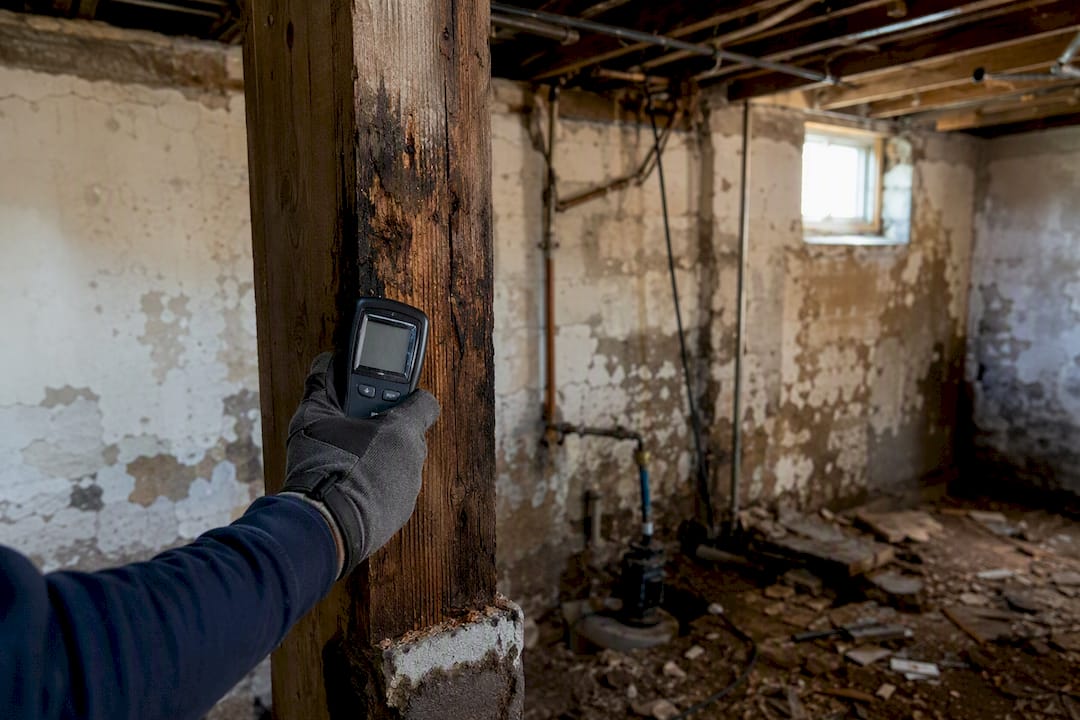
Water Damaged House in Detroit? What to Do First
If water is standing in your Detroit home right now, shut off the source, cut power to affected rooms if it’s safe to reach the breaker, and start documenting before anything gets touched. Call the Detroit Water and Sewerage Department at 313-267-8000 if the source might be a municipal sewer or water main issue, and know you have the required deadline from discovery to file a written damage claim. If the damage is extensive and repair costs feel out of reach, selling the house as-is to a company like Sell Dave Your House is a legitimate option worth knowing about early, not just as a last resort.
- Call DWSD: 313-267-8000 (get a Service Request number)
- File a written damage claim within the required deadline from discovery
- Call your homeowners insurer to open a claim
- Call a licensed plumber for private-line issues; call an IICRC-certified restoration crew for cleanup
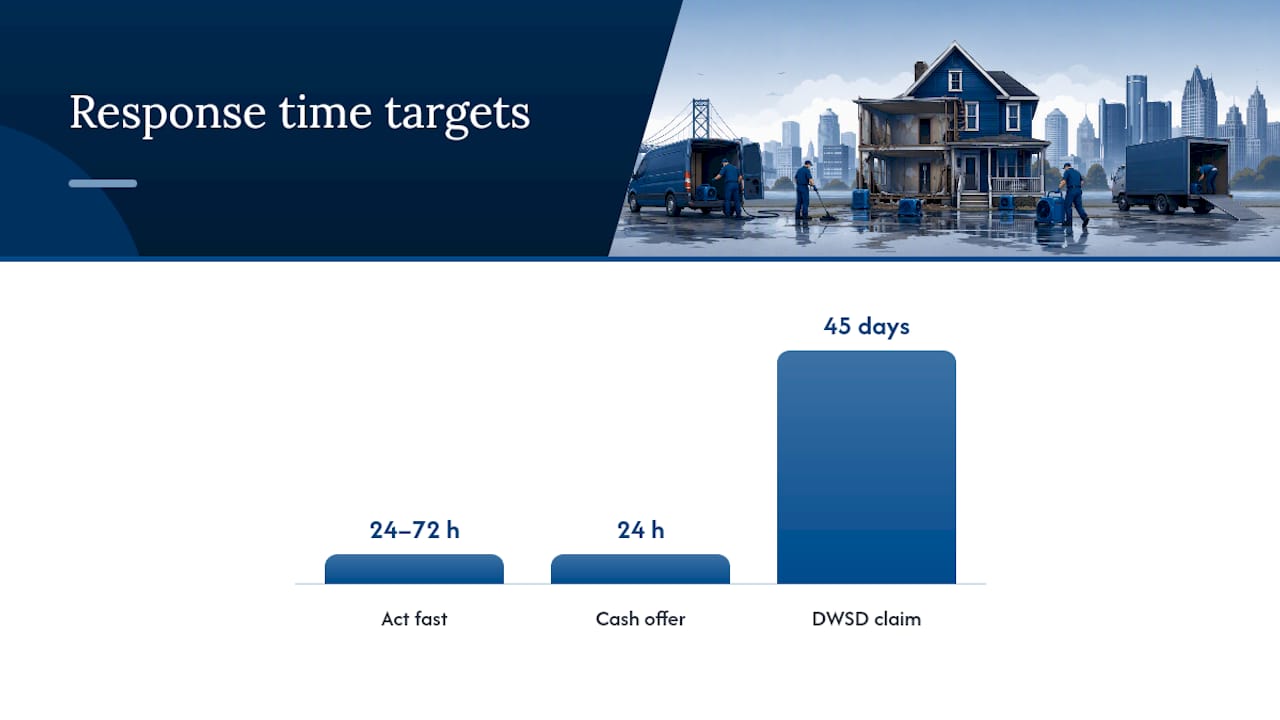
Mold can start forming in 24 to 72 hours once materials stay wet, so the biggest variable in your final repair bill isn’t the water itself. It’s how fast you respond.
Key Takeaways
Detroit homeowners who respond within hours, document thoroughly, and understand the DWSD/insurance split protect both their health and their claim, while those facing extensive damage can sell as-is instead of repairing.
| Point | Details |
|---|---|
| Act within 24 to 72 hours | Mold risk climbs fast once materials stay wet, so speed limits both damage and cost. |
| Document before you clean | Photograph water depth, timing, and every affected room before touching anything. |
| Know the 45-day window | File a written DWSD damage claim within the required deadline of discovering sewer-related damage. |
| Understand the coverage gap | Standard homeowners insurance often excludes sewer backup unless you’ve added an endorsement. |
| Consider selling as-is | Sell Dave Your House buys water-damaged Detroit properties as-is with a cash offer within 24 hours. |
This article is general information, not a substitute for advice from a qualified financial advisor. Consult a qualified financial professional about your own circumstances before acting on anything here.
Table of Contents
- First Hours After You Discover Water Damage in Your Detroit Home
- Why Does Detroit Have So Much Water Damage?
- Who Pays: DWSD, Your Insurer, and the 45-Day Deadline
- What Prevention Upgrades Actually Cost in Detroit
- What Detroit’s Water Damage Guides Get Wrong
- Sell Dave Your House: An As-Is Option When Repairs Aren’t Realistic
- Sources
- FAQ
First Hours After You Discover Water Damage in Your Detroit Home
What you do in the first two or three hours often decides whether you’re looking at a simple dry-out or a full gut renovation. Work through this in order.
- Shut off the water source. If it’s a burst pipe, close the main shutoff valve, usually near where the water line enters the basement. If it’s sewage backing up through a drain, don’t touch the water.
- Cut power to wet areas only if you can reach the breaker without stepping in water. If the panel is in the flooded zone, leave it and call an electrician.
- Never wade into standing water if it’s near outlets, appliances, or if you suspect sewage. Category 3 water (sewage) carries bacteria and viruses that require protective gear, not boots and a mop.
- Move what you can save. Furniture legs, boxes, and electronics off the floor and out of the room, but skip this step entirely if the water looks contaminated.
- Photograph and video everything before you clean anything. Get wide shots of each room, close-ups of damaged items, and a shot showing water depth against a wall or stair (a tape measure in frame helps). Note the date and approximate time water was discovered.
- Call the right professional for the job. A licensed plumber handles the source of the leak. An IICRC-certified restoration crew handles extraction, drying, and sanitizing, especially for anything beyond a small, clean-water spill.
Pro Tip: Keep a simple mitigation log, a notebook or phone note with the date, time, and every action you take, from “shut off main valve at 7:40 AM” to “called restoration company at 9:15 AM.” Insurers and DWSD reviewers both weigh a clear timeline heavily when they decide how much of the loss was preventable versus sudden.
Why Does Detroit Have So Much Water Damage?
Detroit’s water damage problems trace back to a handful of repeat offenders, and figuring out which one hit your house changes everything downstream, from cleanup cost to who’s legally responsible for paying.
- Combined sewer backups happen when heavy rain overwhelms the system that carries both stormwater and sewage, pushing wastewater back up through basement drains. This is Detroit’s most common large-scale flooding event.
- Frozen or burst pipes are especially common in Detroit’s older housing stock, much of it built between 1910 and 1950, with uninsulated crawl spaces and aging galvanized plumbing that’s more prone to hidden leaks and freezing.
- Sump pump failure during a power outage, often during the exact storm that triggers a sewer backup, leaves basements with no defense at the worst possible moment.
The cause matters because it determines the water’s contamination category. Clean supply-line water (Category 1) is a straightforward dry-out. Water that’s picked up dirt or gray water (Category 2) needs more caution. Raw sewage (Category 3) requires full protective equipment, aggressive sanitizing, and often the removal of porous materials like drywall and carpet padding that can’t be fully disinfected.
Who Pays: DWSD, Your Insurer, and the 45-Day Deadline
The single most confusing part of water damage in Detroit is figuring out whose responsibility it actually is, and that answer depends entirely on where the failure happened.
DWSD maintains water and sewer lines up to the curbstop near your property line. Everything from the curbstop into your house, the private lateral, is your responsibility as the homeowner, including hiring a licensed plumber and pulling permits for repairs.
Your standard homeowners policy typically covers sudden, accidental events like a burst pipe. It typically excludes sewer backup and groundwater seepage unless you’ve added a specific sewer-backup endorsement, and true flood damage from rising water usually requires separate NFIP flood coverage.
If the backup traces to a municipal line, here’s the process:
| Step | What to Do |
|---|---|
| 1. Report it | Call DWSD at 313-267-8000 and get a Service Request number |
| 2. File a claim | Submit a written damage claim within the required deadline of discovering the damage |
| 3. Document | Include photos, water depth, two repair estimates, and receipts |
| 4. Support the claim | Attach moisture readings and a mitigation log from your restoration crew |
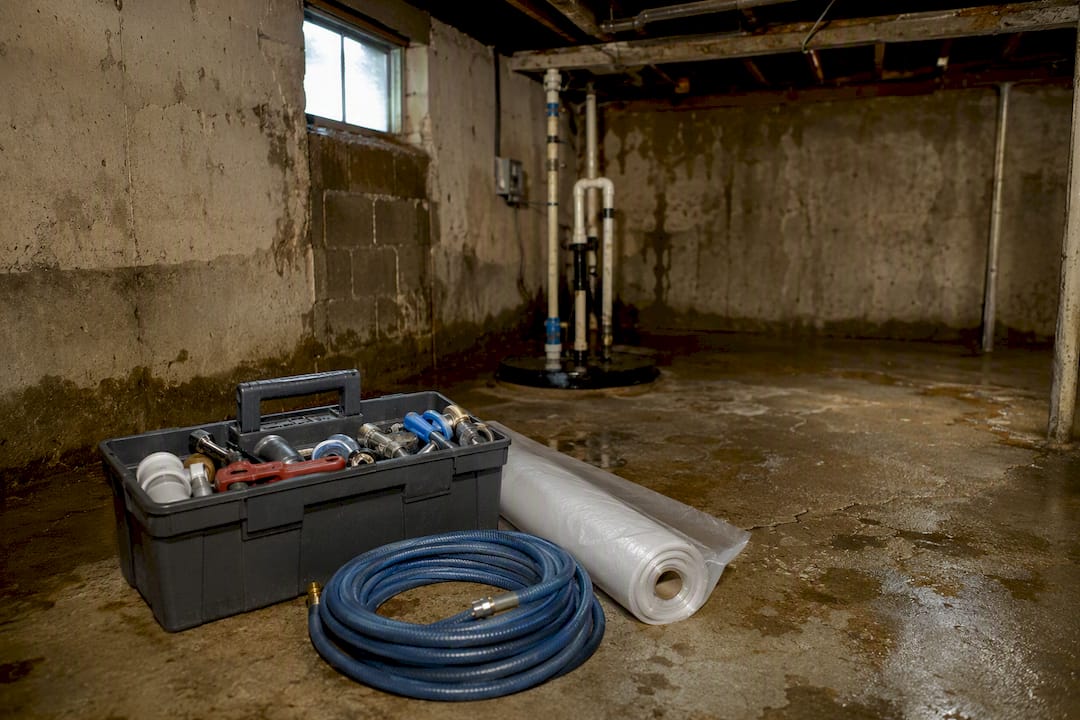
Most denials trace back to the same two mistakes: waiting too long to file, or showing up with no documentation beyond a verbal description. A moisture log and thermal imaging readings from a certified restorer carry real weight with adjusters because they show a professional, not just the homeowner, verified the extent of the loss.
What Prevention Upgrades Actually Cost in Detroit
You can’t control a July thunderstorm, but you can control how prepared your house is when it hits. A few upgrades consistently show up in DWSD’s own guidance and among local restoration pros as the ones that actually move the needle.
- Backwater valve: Installed on your main sewer line, it closes automatically to block sewage from flowing backward into your basement during a surcharge. Installation typically runs from a few hundred dollars to over a thousand depending on access and plumbing configuration. One catch worth knowing: while the valve is closed during a storm, you can’t run any drains in the house until the surge passes.
- Battery-backup sump pump: Keeps pumping when the power goes out, which is exactly when most basement floods happen. Add this to a maintenance routine that includes testing the pump quarterly and clearing the discharge line of debris.
- Annual sewer snaking and camera inspection: DWSD specifically recommends property owners maintain their own private lines because city-side improvements alone can’t protect an individual home from root intrusion or buildup in the private lateral.
- Exterior grading and downspout extensions: Often the cheapest fix on this list, redirecting water away from the foundation instead of pooling against it.
None of these guarantee a dry basement forever. Speed of response after an event still matters more than any single upgrade you install beforehand.
What Detroit’s Water Damage Guides Get Wrong
Most water damage advice treats every flooded basement like a repair project waiting to happen. That’s true for a lot of homes, but it isn’t true for all of them, and pretending otherwise does Detroit homeowners a disservice.
The conventional advice, dry it out, file the claim, rebuild, assumes you have the cash flow to front repair costs while an insurance claim works through underwriting, or that DWSD will make a municipal claim whole quickly. Neither is guaranteed. A homeowner facing a third sewer backup in five years, or one who’s already behind on the mortgage, is often better served by an honest look at the numbers than by another round of remediation.
Here’s what actually matters first: get the safety and documentation steps right immediately, because that protects your options no matter which direction you go. Then be honest about whether repair makes financial sense for your situation, or whether an as-is sale gets you out from under a house that keeps costing money. Neither path is wrong. What’s wrong is not knowing you have both.
Sell Dave Your House: An As-Is Option When Repairs Aren’t Realistic
Some Detroit homeowners can restore a flooded house and move forward. Others are facing mold that’s spread further than a weekend project can fix, a rental property that’s bleeding money with no tenant, or a foreclosure timeline that makes months of repair work impossible. If that’s your situation, Sell Dave Your House buys homes exactly as they sit, water damage, mold, outdated systems, and all, so you skip repairs, cleaning, and realtor commissions entirely.

The process starts with a look at your property and a fair cash offer within 24 hours. If you accept, closing can happen in as little as seven days, and standard closing costs are covered on Sell Dave Your House’s end. That timeline matters when you’re weighing it against weeks of restoration work and an insurance claim with no fixed payout date. Owners dealing with water damage that’s already lowered their home’s resale value often find that a cash sale nets out closer to a fair number than they expect once repair costs and agent fees are factored out of a traditional listing.
Whether you’re dealing with an inherited property, a rental unit with water damage, or a house you simply can’t afford to fix, you can get a fair cash offer and see the number before deciding anything.
Sources
- DWSD flood safety and reduction tips
- Damage Claim Form - Detroit Water & Sewerage Department (DWSD)
- Basement flooded in Detroit? Here’s what to do | 2026 guide
FAQ
Does Homeowners Insurance Cover Sewer Backup in Detroit?
Standard homeowners policies typically cover sudden events like a burst pipe but exclude sewer backup and groundwater seepage unless you’ve added a specific sewer-backup endorsement.
How Long Do I Have to File a DWSD Damage Claim?
You must file a written claim within the required deadline of discovering water damage tied to a municipal sewer or water line issue, after calling 313-267-8000 to report it.
How Fast Can Mold Grow After Water Damage?
Mold can begin growing within 24 to 72 hours once materials stay wet, which is why immediate mitigation matters more than any single repair decision.
Where Does Detroit’s Sewage Go?
Detroit runs a combined sewer system that carries both stormwater and sewage to treatment facilities, and during heavy rain that combined flow can back up into basements when the system is overwhelmed.
Can I Sell My House in Detroit If It Has Water Damage?
Yes. Companies like Sell Dave Your House buy Detroit homes as-is, including those with water damage or mold, with a cash offer typically provided within 24 hours and closing possible in as little as seven days.